 Aster (ASTER)
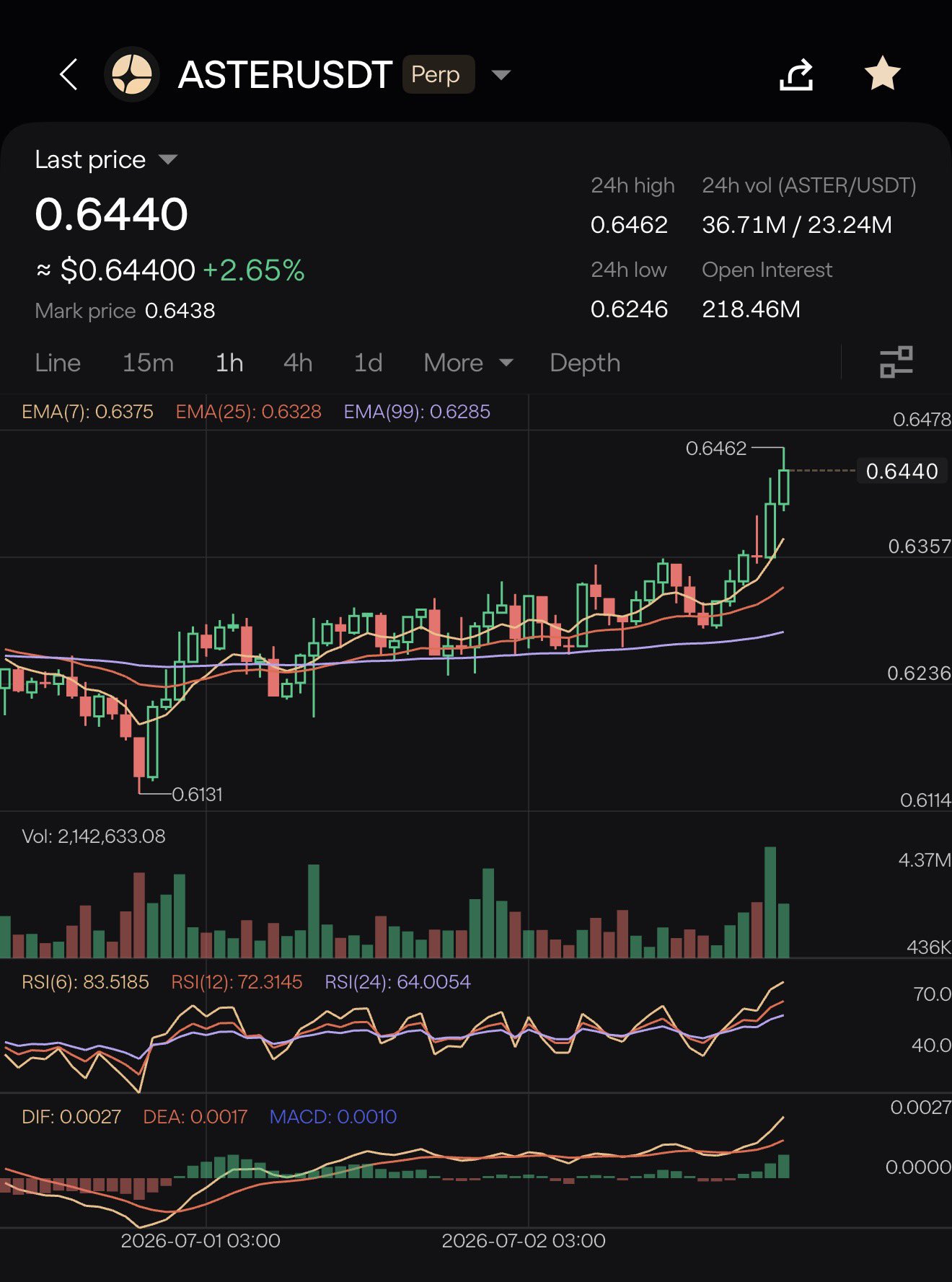
$0.6421 -0.40% 24H
- 45Índice de sentimiento social (ISS)-7.32% (24h)
- #69Clasificación del pulso del mercado (CPM)-10
- 1Mención en redes sociales de 24 h0% (24h)
- 100%Ratio alcista de KOL en 24 h1 KOL activo
- Resumen
- Señales alcistas
- Señales bajistas
Índice de sentimiento social (ISS)
- Datos generales45SSI
- Tendencia ISS (7 días)Precio (7 días)Distribución de sentimientosExtremadamente alcista (100%)Perspectivas de ISS
Clasificación del pulso del mercado (CPM)
- Alerta Insight
Publicaciones de X
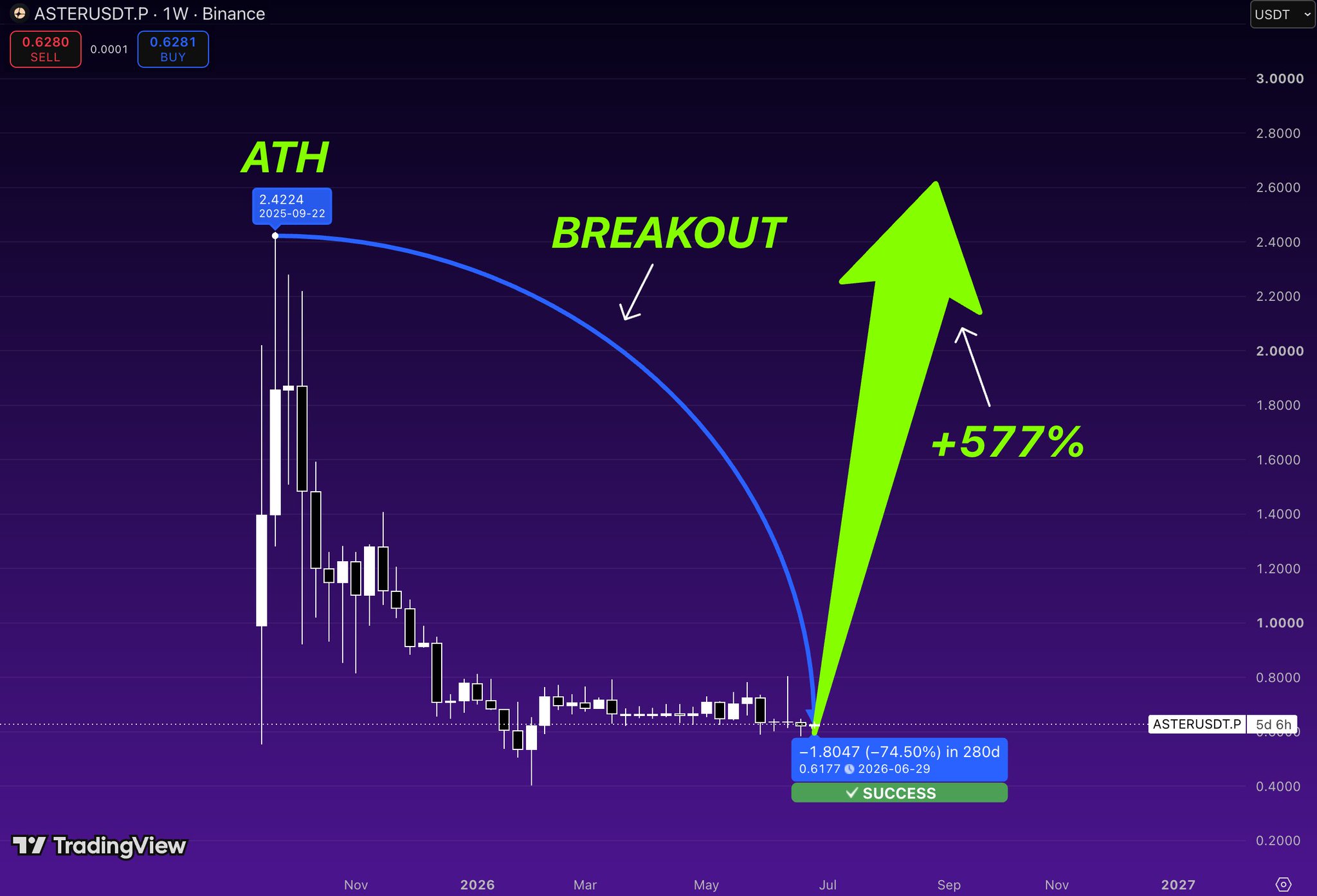
- Tendencia de ASTER tras el lanzamientoExtremadamente alcista
- Tendencia de ASTER tras el lanzamientoExtremadamente alcista
 机灵的杰尼君🔶BNB Trader Quant C107.38K @Meta8Mate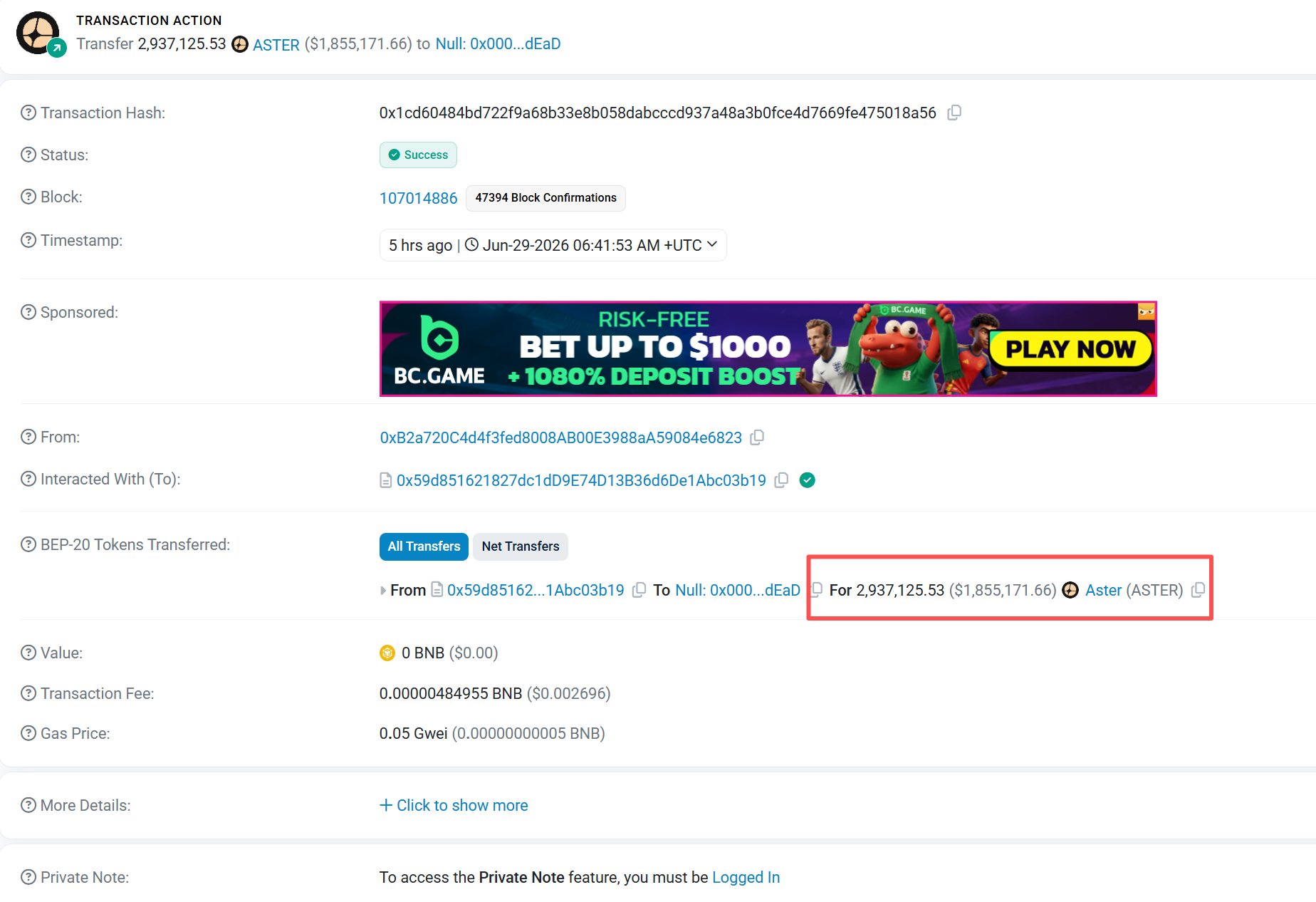
 Aster 🥷 D308.25K @Aster_DEX56 35 18.27K Leer original >Tendencia de ASTER tras el lanzamientoExtremadamente alcista
 Peak Derivatives_Expert Trader B15.89K @PeakOneXAster 🥷 D308.25K @Aster_DEX81 2 4.08K Leer original >Tendencia de ASTER tras el lanzamientoAlcista
 OCT News Media Influencer C1.94K @news_oct
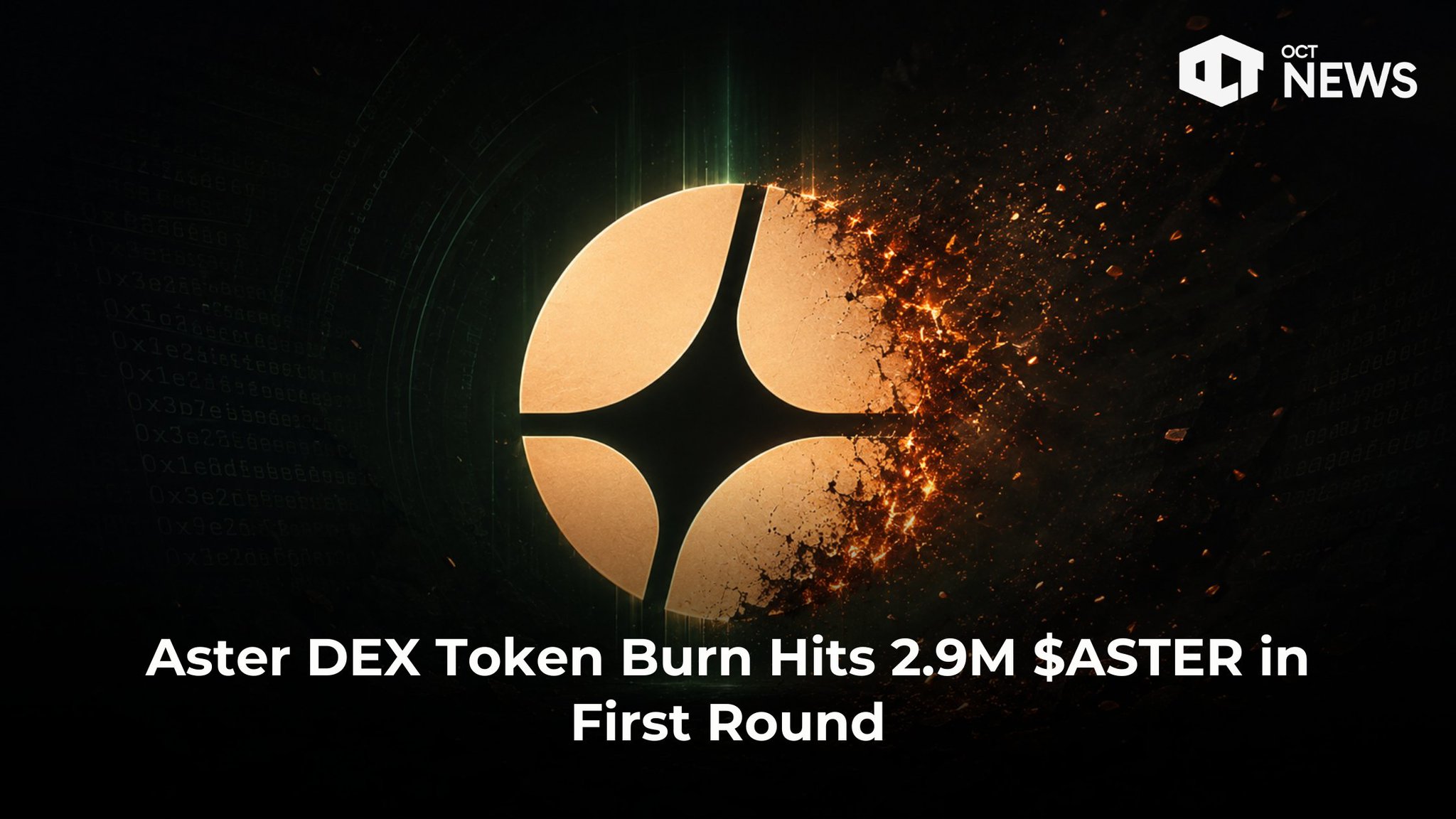 OCT News Media Influencer C1.94K @news_oct
 10 1 352 Leer original >Tendencia de ASTER tras el lanzamientoBajista
- Tendencia de ASTER tras el lanzamientoAlcista
- 机灵的杰尼君🔶BNB Trader Quant C107.38K @Meta8Mate
 机灵的杰尼君🔶BNB Trader Quant C107.38K @Meta8Mate
 25 20 10.82K Leer original >Tendencia de ASTER tras el lanzamientoExtremadamente bajista
 - Tendencia de ASTER tras el lanzamientoAlcista
- Tendencia de ASTER tras el lanzamientoExtremadamente alcista
 Global Rashid TA_Analyst Educator C20.20K @globalrashid007
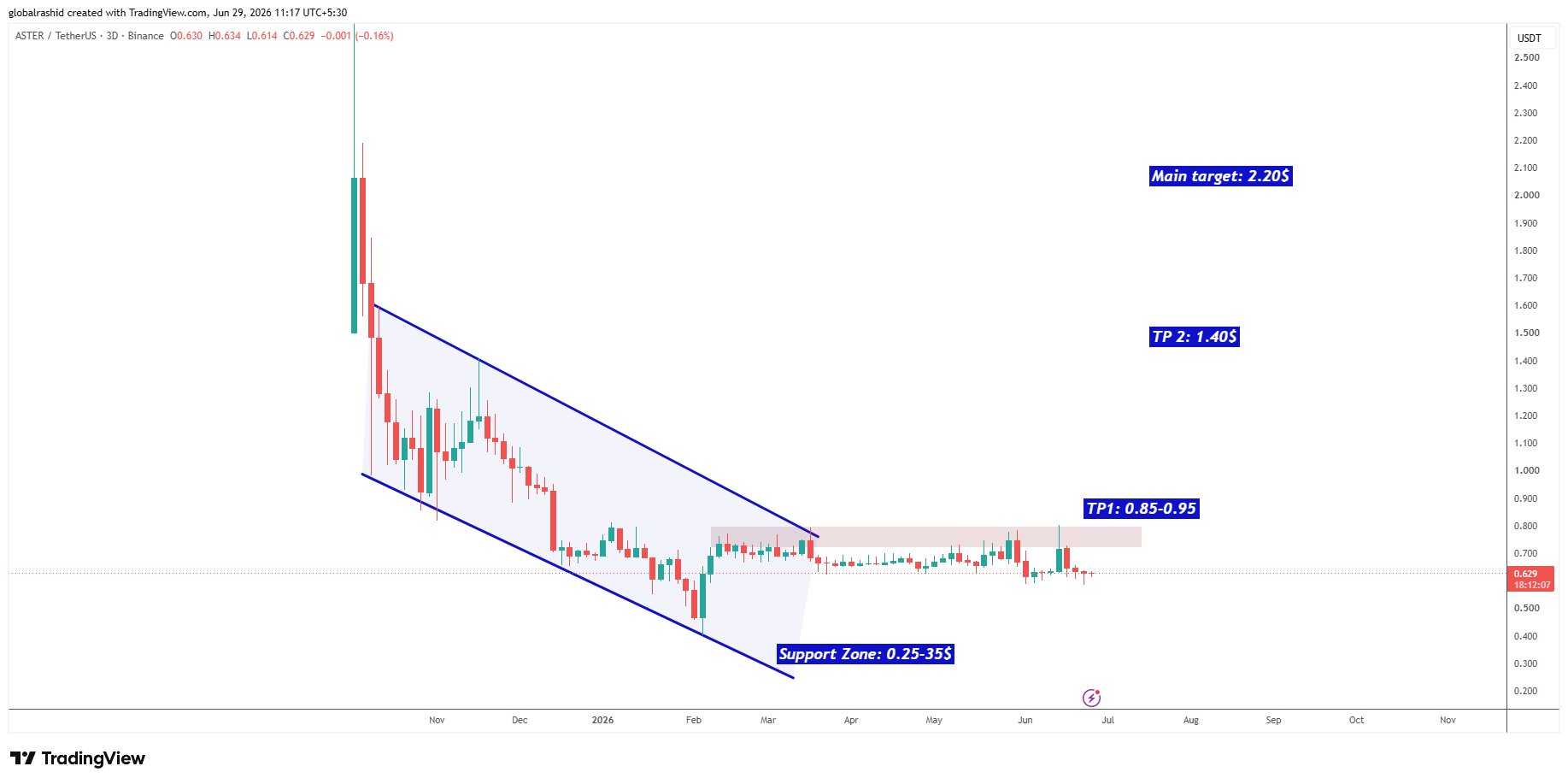 Global Rashid TA_Analyst Educator C20.20K @globalrashid00724 8 3.17K Leer original >Tendencia de ASTER tras el lanzamientoAlcista