If you're running a $CNX node, your GPU isn't what determines your earnings.
Your QoS score does.
And the new QoS Diagnostics tool finally shows you why your score is moving instead of leaving you guessing.
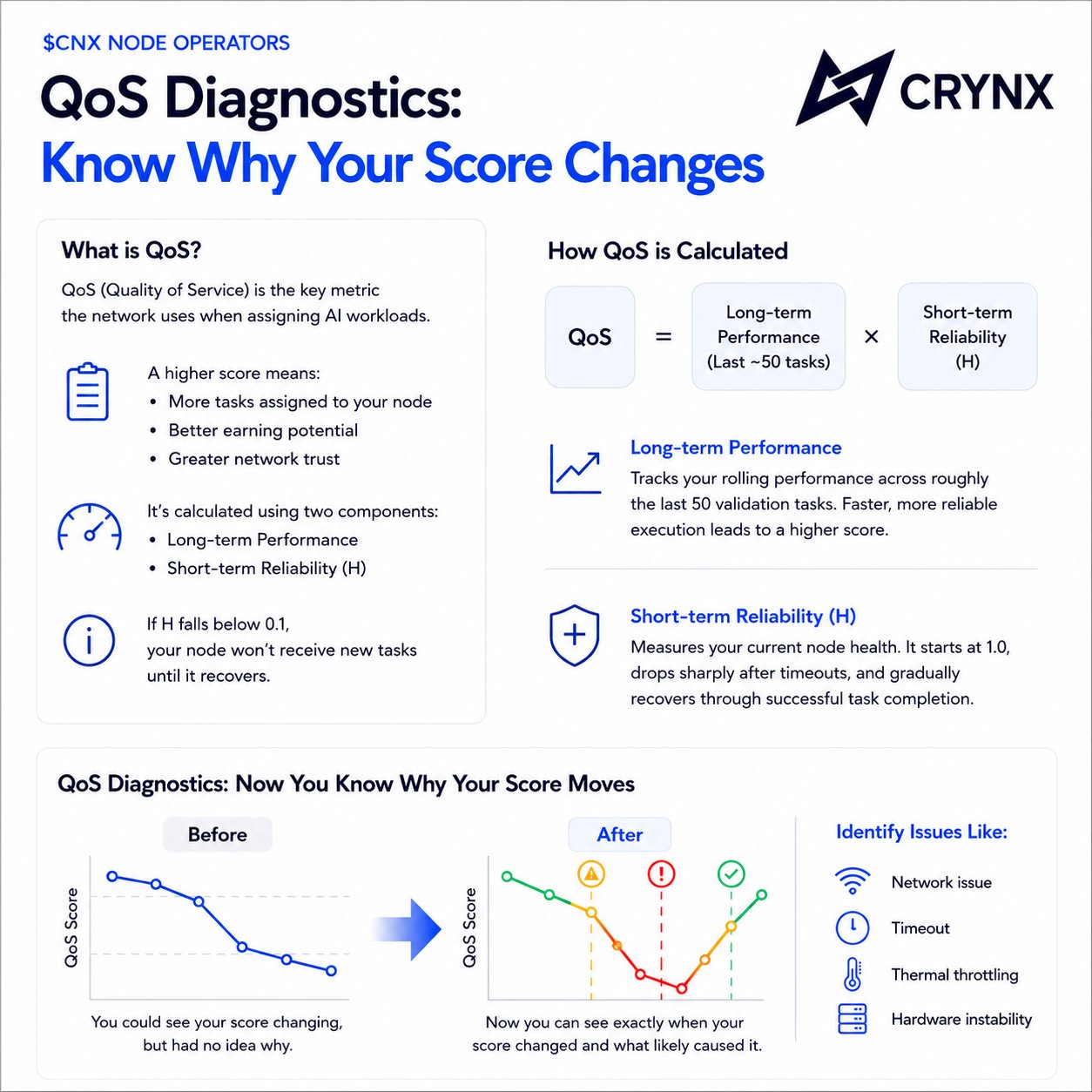
QoS (Quality of Service) is the key metric the network uses when assigning AI workloads.
A higher score means:
• More tasks assigned to your node
• Better earning potential
• Greater network trust
It's calculated using two components:
Long-term Performance tracks your rolling performance across roughly the last 50 validation tasks. Faster, more reliable execution leads to a higher score.
Short-term Reliability (H) measures your current node health. It starts at 1.0, drops sharply after timeouts, and gradually recovers through successful task completion.
If H falls below 0.1, your node won't receive new tasks until it recovers.
Until now, operators could see their QoS changing but had no way to understand why.
Was it:
• A network issue?
• A timeout?
• Thermal throttling?
• Hardware instability?
Now you can see exactly when your score changed and what likely caused it.
That's a much bigger upgrade than it sounds.
It lets operators actually optimize their setups instead of troubleshooting in the dark.
It also improves the network itself. Reliable nodes receive more work.
Temporary issues recover automatically.
Poor-performing nodes gradually lose priority instead of hurting overall service quality.
That's exactly how a decentralized AI network should evolve.
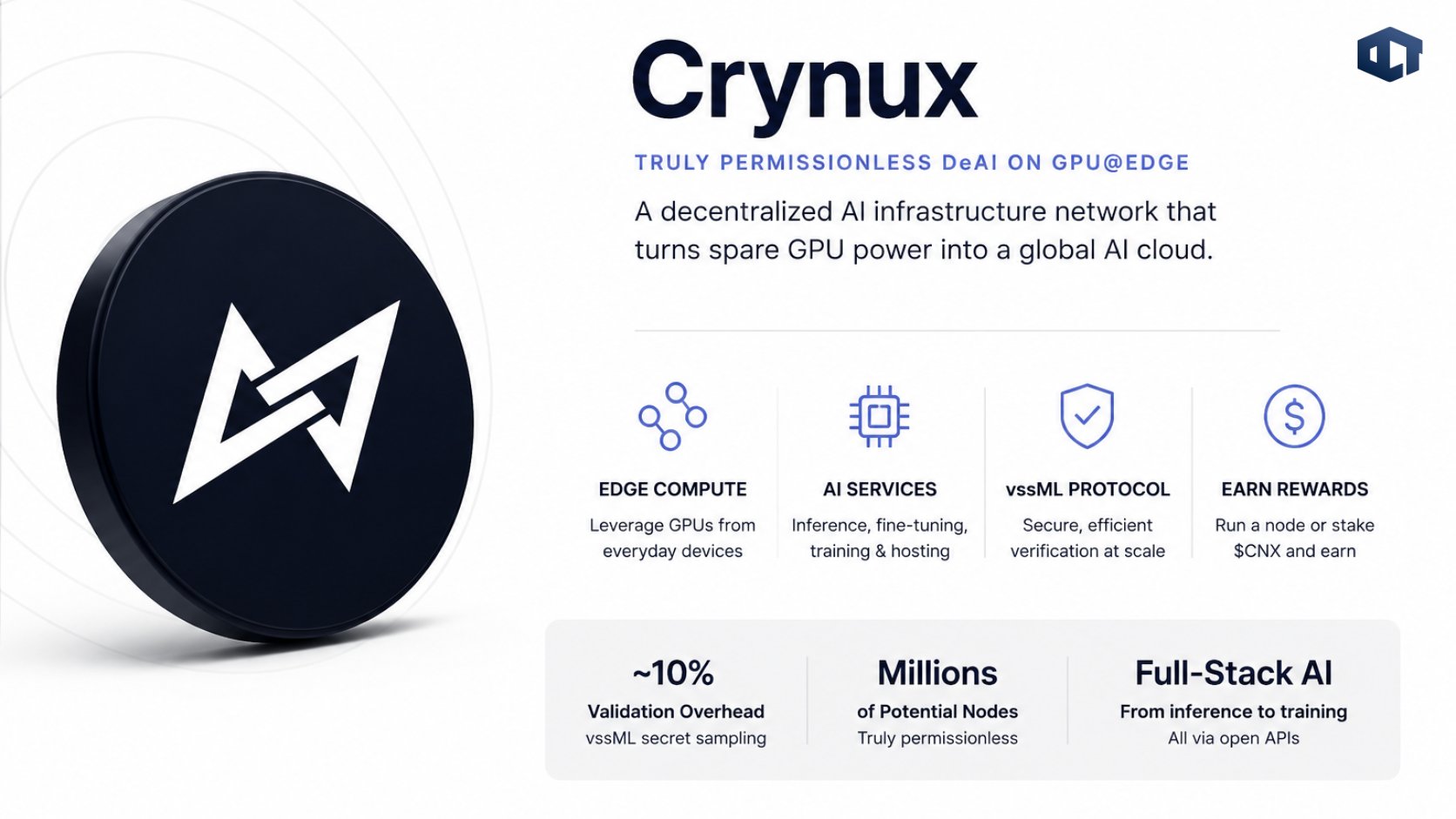
Running a Crynux node is already one of the easiest ways to contribute spare GPU compute to decentralized AI.
But hardware alone isn't enough anymore.
Consistency wins.
Small improvements to cooling, internet stability, or system performance could translate directly into more tasks and better rewards.
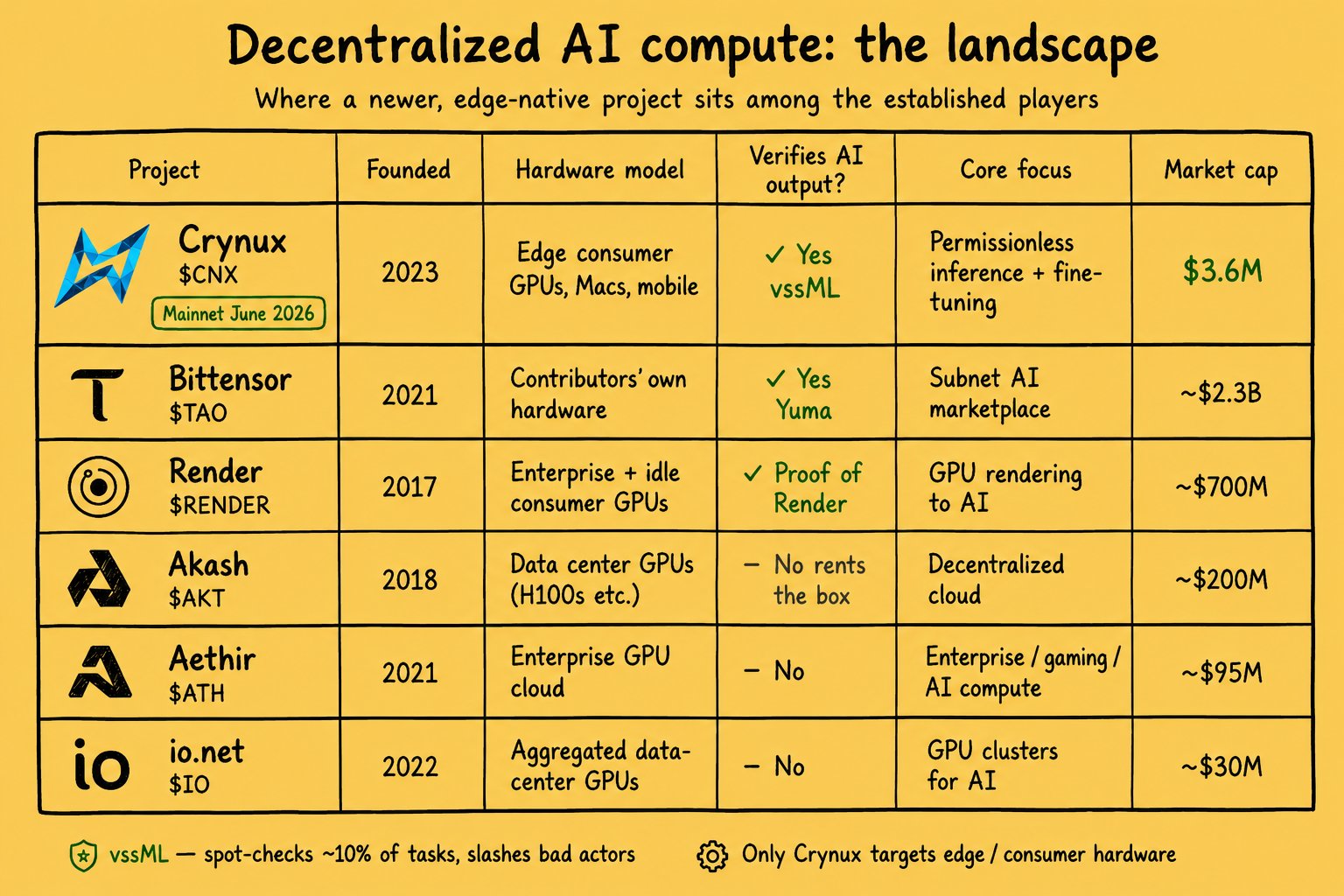
This is the kind of infrastructure improvement that helps permissionless AI networks compete with centralized cloud providers.
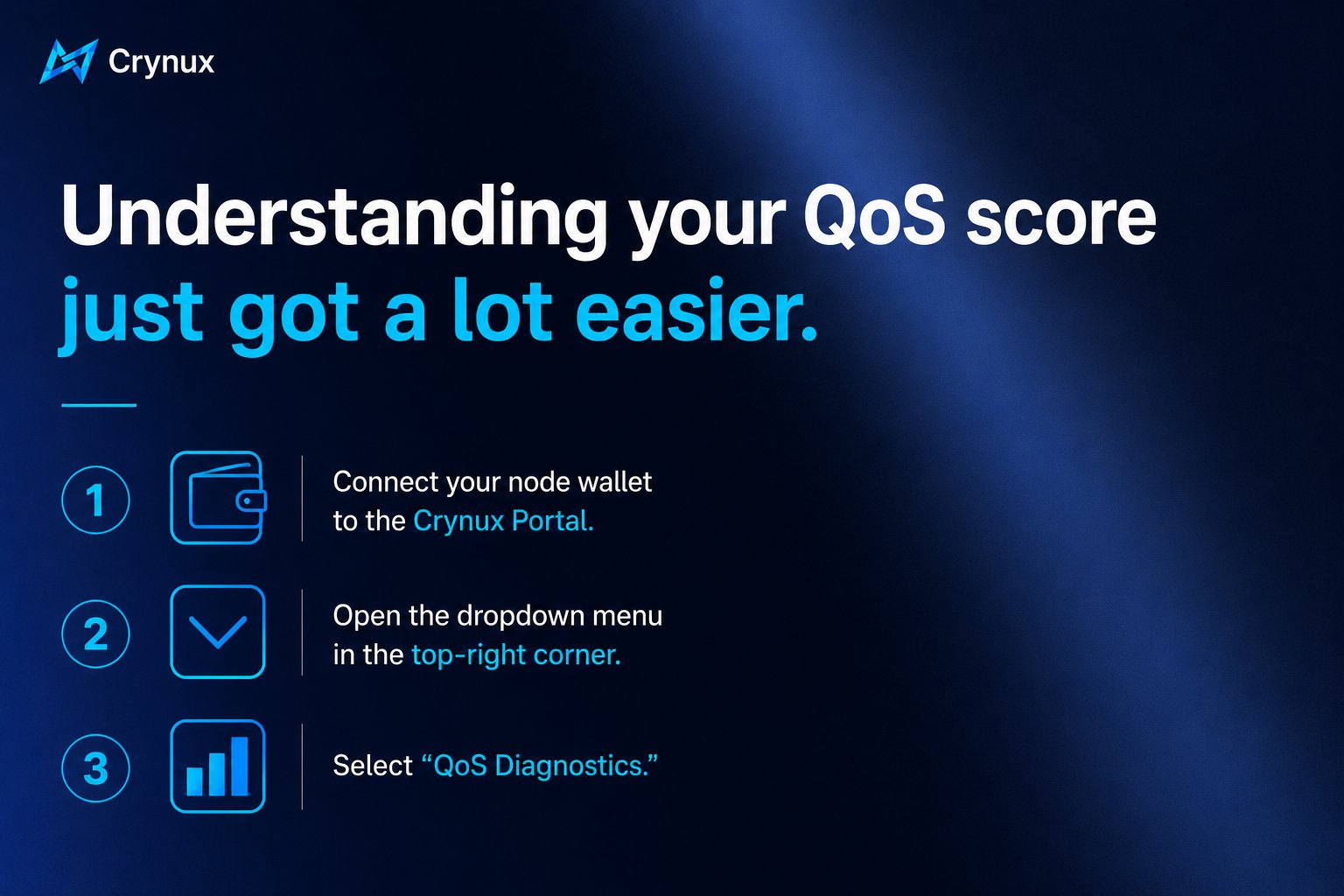
If you're running a node, it's probably worth checking your QoS history today.
You might find there's more room for optimization than you expected.