Mua tiền điện tử
thẻ
Giao dịch P2P
Mua USDT trên thị trường
Thẻ Credit/Debit
Mua tiền mã hóa bằng thẻ Visa hoặc MasterCard
Dịch vụ thanh toán của bên thứ ba
Mua tiền mã hóa qua MoonPay, Simplex và nhiều dịch vụ khác
BitMart Card
Giúp bạn sống theo phong cách tiền mã hóa
Thẻ trả trước tiền mã hóa
Nhận thẻ Mastercard có thể sử dụng ngay
USDⓈ-M
Sử dụng USDⓈ làm tài sản đảm bảo
COIN-M
Sử dụng chính COIN làm tài sản đảm bảo
TradFi
Dịch vụ giao dịch trọn gói cho kim loại, cổ phiếu và ngoại hối
Giao dịch demo
Tìm hiểu cách giao dịch không gặp rủi ro
Tổng quan về Futures
Nền tảng toàn diện cho Futures
Futures King
Quỹ thưởng 478,000 USDT
Tăng trưởng
Rewards
Rút thăm Futures hàng ngày
100% cơ hội chiến thắng với giao dịch hàng ngày
Rút thăm Spot hàng ngày
Nhận các giải thưởng lớn trị giá 8,888 USDT
Nạp tiền điện thoại
Nạp tiền điện thoại di động dễ dàng, online, bảo mật
Send
Send money globally, fast and secure
BitMart Mall
Trực tiếp trên tiền mã hóa

GMX Dữ liệu giá trực tiếp
Giá GMX hôm nay là $ 5.94 (GMX/USD). Với vốn hóa thị trường là $ 62.01M USD. Khối lượng giao dịch 24 giờ là $ 92,518.96 USD, Biến động giá trong 24 giờ là -0.50%, Và lượng cung lưu hành là 10.43M GMX.
GMX GMX Lịch sử giá USD
Theo dõi giá của GMX hôm nay, 7 ngày, 30 ngày và 90 ngày
Kỳ
Thay đổi
Biến động (%)
Hôm nay
$ 0.039
-0.67%
7ngày
$ 0.55
10.41%
30ngày
$ 0.71
13.79%
90ngày
$ 0.14
-2.46%
Sở hữu GMX ngay
Mua và bán GMX dễ dàng và an toàn trên BitMart.
GMX Thông tin thị trường
$ 5.82 Biến động 24 giờ $ 5.97
Cao nhất từng ghi nhận
$ 91.21
Thấp nhất từng ghi nhận
$ 3.79
Biến động 24 giờ
-0.50%
Khối lượng 24 giờ
$ 92,518.96
Nguồn cung lưu hành
10.43M
GMX
Vốn hóa thị trường
$ 62.01M
Nguồn cung tối đa
13.25M
GMX
Vốn hóa thị trường đã pha loãng hoàn toàn
$ 78.77M
Giao dịch GMX

GMX X Insight

𝕯𝖆𝖓𝖌𝖊𝖗
OnChain_Analyst
Researcher
C
 52.1K @safetyth1rd
 Tăng giá
The tweet analyzes the perpetual contract DEX market and recommends six data-driven platforms worth watching.

Today in DeFi D
17.3K @todayindefi Some protocols are generating $5B volume weekly while having no token.
6 perps dexes worth looking into - ranked by volume + TVL, not vibes.
Full guide:
https://t.co/LkuplbdTjX https://t.co/rq0I9xUyje
 2
2
 1
1
 809
809
2026-07-03 14:57
Xu hướng của GMX sau khi phát hành
Tăng giá
The tweet analyzes the perpetual contract DEX market and recommends six data-driven platforms worth watching.

SatoshiCrypt BITUNIX
Trader
Influencer
C
52.5K @SatoshiBitunix Tăng giá
Suggest traders be patient and trade smartly, not chase the market, to achieve profit.
SatoshiCrypt BITUNIX
Trader
Influencer
C
52.5K @SatoshiBitunix GM Crypto X
GM Bitunix Fam 💚
I stopped trying to trade every move
Ironically
That’s when I started making more money.
Sometimes the highest-paying trade
Is the one you don’t take
This could be the trade
The week
Or the opportunity you’ve been waiting for
But only if you’re patient enough to let it come to you
Don’t chase the market
Make the market come to you
 53
30
6.5K
53
30
6.5K
2026-07-03 07:27
Xu hướng của GMX sau khi phát hành
Tăng giá
Suggest traders be patient and trade smartly, not chase the market, to achieve profit.

Specter
OnChain_Analyst
Security_Expert
S
13.7K @SpecterAnalyst Cực kỳ bi quan
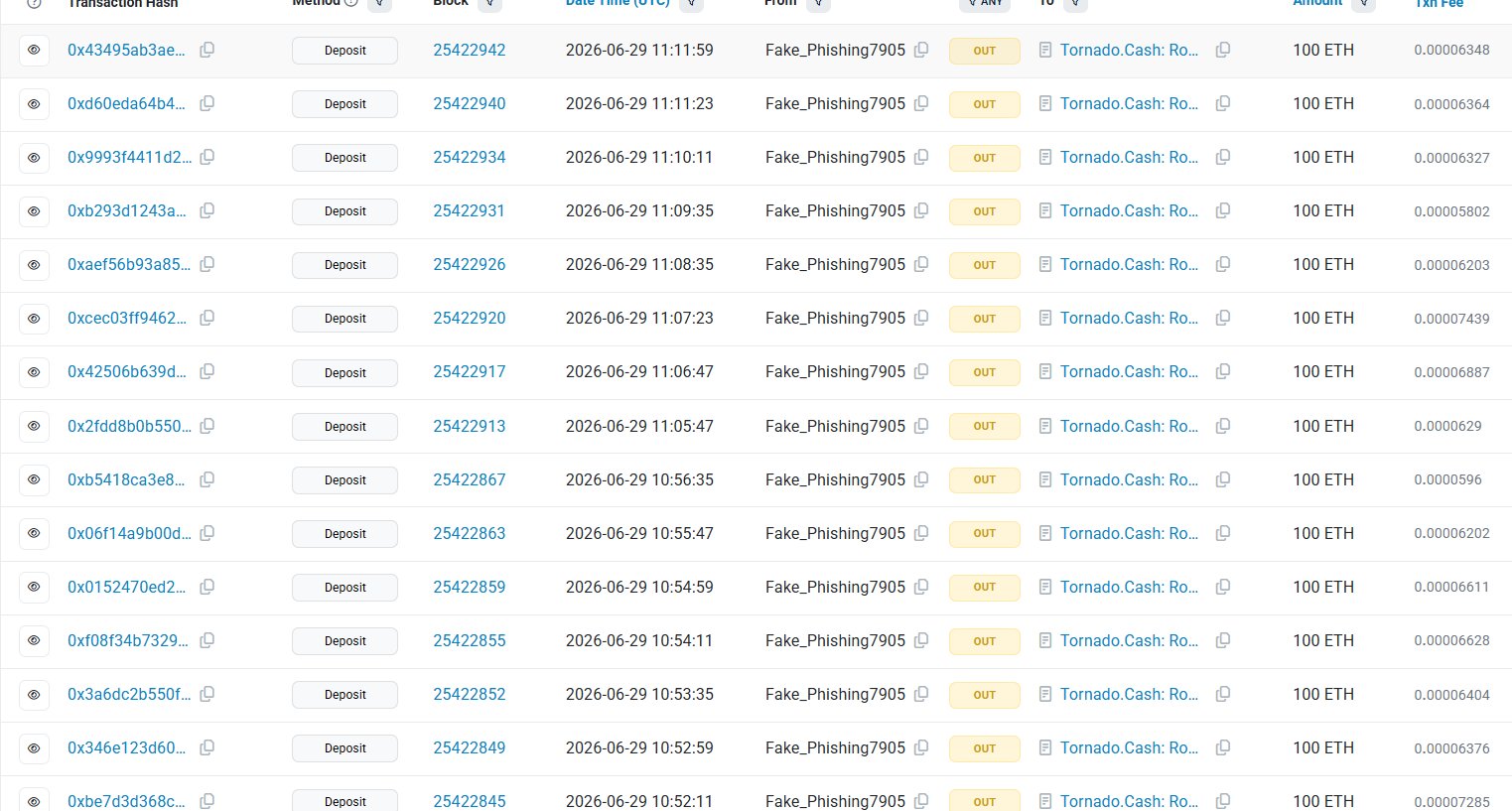
The hacker swapped GMX for ETH and then deposited it in batches into Tornado Cash for laundering, with fund movements after three years of inactivity.
Specter
OnChain_Analyst
Security_Expert
S
13.7K @SpecterAnalyst The attacker has finally begun laundering the stolen funds after more than three years of inactivity.
In January 2023, the attacker swapped the stolen GMX for 2,819 ETH, worth $3.4M at the time. Due to ETH's price appreciation, those funds are now worth $4.4M.
The assets remained dormant until a few minutes ago, when the attacker deposited the stolen ETH into Tornado Cash in 28 of 100 ETH each.
Stay smart.
 57
4
10.5K
57
4
10.5K
2026-06-29 18:57
Xu hướng của GMX sau khi phát hành
Giảm giá
The hacker swapped GMX for ETH and then deposited it in batches into Tornado Cash for laundering, with fund movements after three years of inactivity.
Dự đoán giá
Thời điểm phù hợp để mua GMX là khi nào? Liệu tôi nên mua hay bán GMX bây giờ?
Khi quyết định xem đây có phải là thời điểm tốt để mua hoặc bán GMX (GMX) hay không, điều quan trọng trước tiên là phải phù hợp với chiến lược giao dịch và mức độ chấp nhận rủi ro của riêng bạn. Các nhà đầu tư dài hạn và các nhà giao dịch ngắn hạn thường diễn giải điều kiện thị trường theo các cách khác nhau, vì vậy quyết định của bạn nên phản ánh cách tiếp cận cá nhân. Theo phân tích kỹ thuật 4 giờ mới nhất của GMX, tín hiệu giao dịch hiện tại là Hold. Theo phân tích kỹ thuật 1 ngày mới nhất của GMX, tín hiệu hiện tại là Bán.

Dự đoán Beacon
Dự báo giá xác suất cho (24 giờ tới)Tuyên bố miễn trừ trách nhiệm về dự đoán Beacon
Kết quả dữ liệu hiển thị trên trang này được phân tích dựa trên dữ liệu giao dịch thực tế (OHLCV) của cặp giao dịch đã chọn cùng với các chỉ báo kỹ thuật tương ứng.
Dự đoán này là một sản phẩm kỹ thuật thử nghiệm và chỉ được cung cấp để tham khảo. Đây không phải là lời khuyên đầu tư. Những sự kiện bất ngờ trong thế giới thực có thể tác động đáng kể đến hành vi thị trường. Các nhà giao dịch nên đưa ra quyết định một cách thận trọng.
Dự đoán này là một sản phẩm kỹ thuật thử nghiệm và chỉ được cung cấp để tham khảo. Đây không phải là lời khuyên đầu tư. Những sự kiện bất ngờ trong thế giới thực có thể tác động đáng kể đến hành vi thị trường. Các nhà giao dịch nên đưa ra quyết định một cách thận trọng.
Giới thiệu GMX
GMX (GMX) is a cryptocurrency launched in 2021and operates on the Solana platform. GMX has a current supply of 10,430,647.98505698. The last known price of GMX is 5.39623619 USD and is down -0.42 over the last 24 hours. It is currently trading on 477 active market(s) with $2,490,526.31 traded over the last 24 hours. More information can be found at https://gmx.io/.
Đọc thêm
Khám phá thêm
BM Discovery










Mới niêm yết

TIVA Intiva Health
-- 0.00%

LOWON Lowe's
-- 0.00%

ENTGON Entegris
-- 0.00%

CIENON Ciena
-- 0.00%

APOON Apollo Global Management
-- 0.00%

HDON Home Depot
-- 0.00%

TERON Teradyne (Ondo Tokenized)
-- 0.00%

ALABON Astera Labs
-- 0.00%

CNT Centel
-- 0.00%

CRDOON Credo Technology Group Holding Ltd
-- 0.00%
Mua GMX
Giao dịch GMX