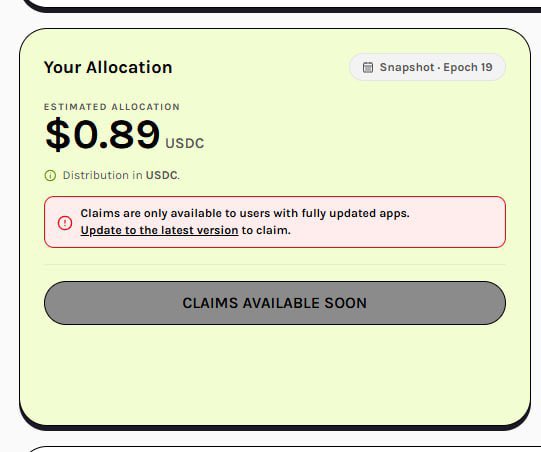
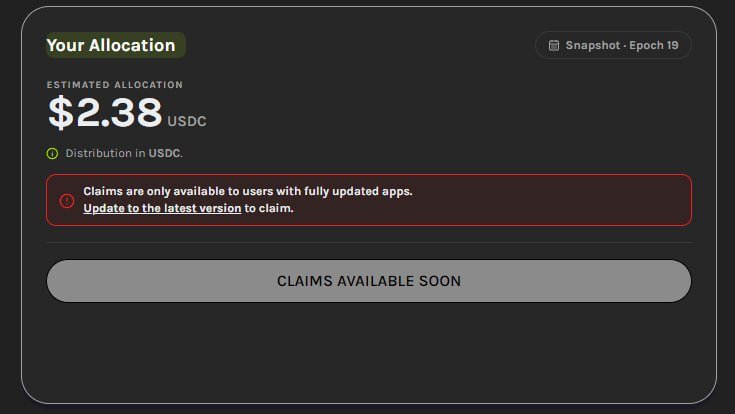
The second airdrop of GRASS was a fiasco and a true aberration.
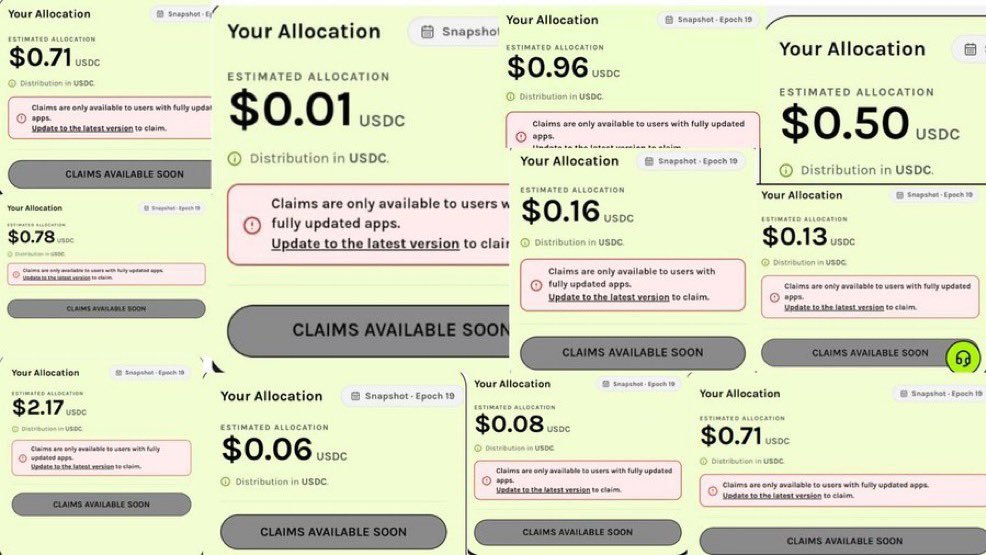
For the vast majority, at best they receive a bag of chips (1.50€).
For those of us with a few followers, referrals, etc., it at least covers a mixed durum kebab menu + fries + Coca‑Cola Zero (≈10€).
Many will say “ugh, we’ve been farmed,” “ugh, we’ve been scammed,” “ugh this project is trash,” and that may be true—I don’t know.
But precisely, this might be the most bullish thing that has happened to the project in a long time.
Giving a large airdrop is not necessarily good for the token, its fundamentals, the project, or retail and institutional holders.
When you give away millions of dollars in your own token, the overwhelming majority of people sell immediately.
That creates brutal price pressure from the first minute, and Grass has already experienced a brutal sell‑off since its launch a year‑plus ago, and a second wave of selling during a bear market could deliver a mortal blow to the token or the project, making it unsustainable and unable to recover.
Conversely, when the airdrop amounts are small, the selling incentive disappears for many. If you received little money, you’re unlikely even to move it. A minority may feel disappointed, cheated, sell their token and uninstall or shut down their apps.
However, in the end the market is the judge and will likely stop focusing on "free money" and return to what matters:
- Whether the product can attract and retain users.
- Whether the product generates revenue.
- Whether it is ahead of its competitors.
- Whether there is genuine demand for the token.
A bad airdrop can be bad news for airdrop hunters.
But it is not necessarily bad for holders, for small or large investors, or for those who believe it is a good project with some future potential.
An airdrop is meant to distribute tokens, decentralize the network, incentivize participation and build community, and give credibility to the project. But airdrops per se do not create value, and many times—though not always—the two can be in conflict.
I don’t know what Solana:Grass7B4RdKfBCjTKgSqnXkqjwiGvQyFbuSCUJr3XXjs will do later, whether they’ll slowly upgrade, whether it’s truly different from other AI projects, whether it will stumble, I don’t know.
But I don’t think things are as bleak as some paint them.
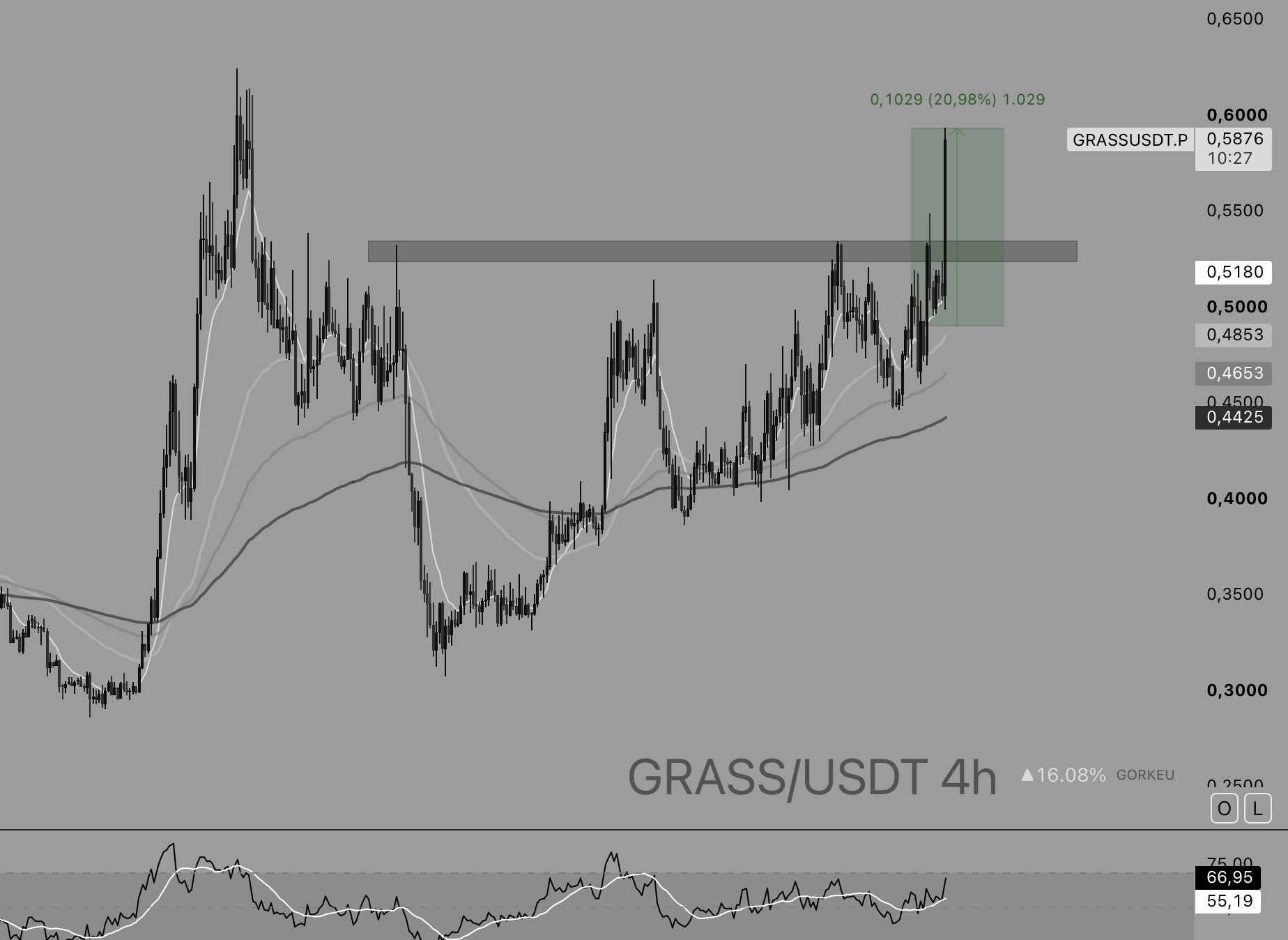
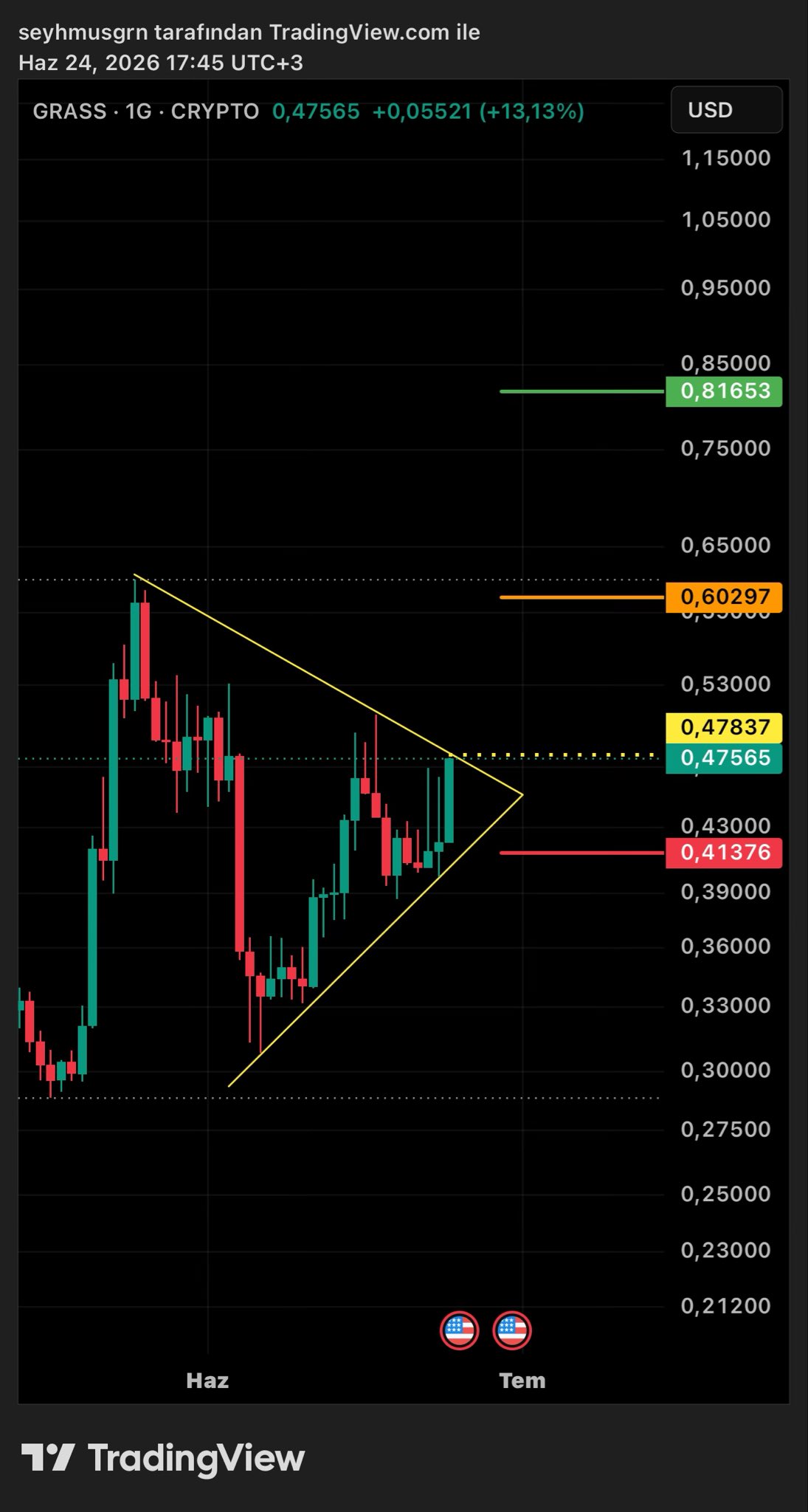
Grass this year is one of the few altcoins that has performed much better than Bitcoin and Ethereum, seems to have confirmed the floor, and is close to fully recovering and leaving behind the October 10 candle, while the vast majority of altcoins still show weakness and keep bleeding.
At the moment, GRASS has a market cap of about $350 million, and if I’m not dreaming, it was said some time ago that they had eight‑figure annual revenues, and that all of this would be verified on‑chain and give value to holders via a burn or buy‑back mechanism or something similar.
I repeat, I don’t know what will happen, nor what GRASS will do in the future; I wish I knew.
As of today, in my opinion they have a brutal business model, and for now I don’t think they have competitors in their niche—it’s a digital monopoly, and the world’s biggest AI companies need massive amounts of data to train, update and improve their models.
If Grass can prove its data adds a differential value, perhaps all of them will become good customers in the future.
That’s a hypothesis, the wet dream of the project and investors, we don’t know if it will become reality.
But certainly I don’t think Grass is as dead as many are painting it for just giving a second airdrop that’s a bit irregular.
And be careful because in the crypto world you already know what usually ends up happening to those projects that are declared dead.
I think we need to look a little further.
 GRASS (GRASS)
 ⚜️BAŞKAN TEKNİK~KRİPTO⚜️ TA_Analyst Educator S6.46K @BaskanTeknik_K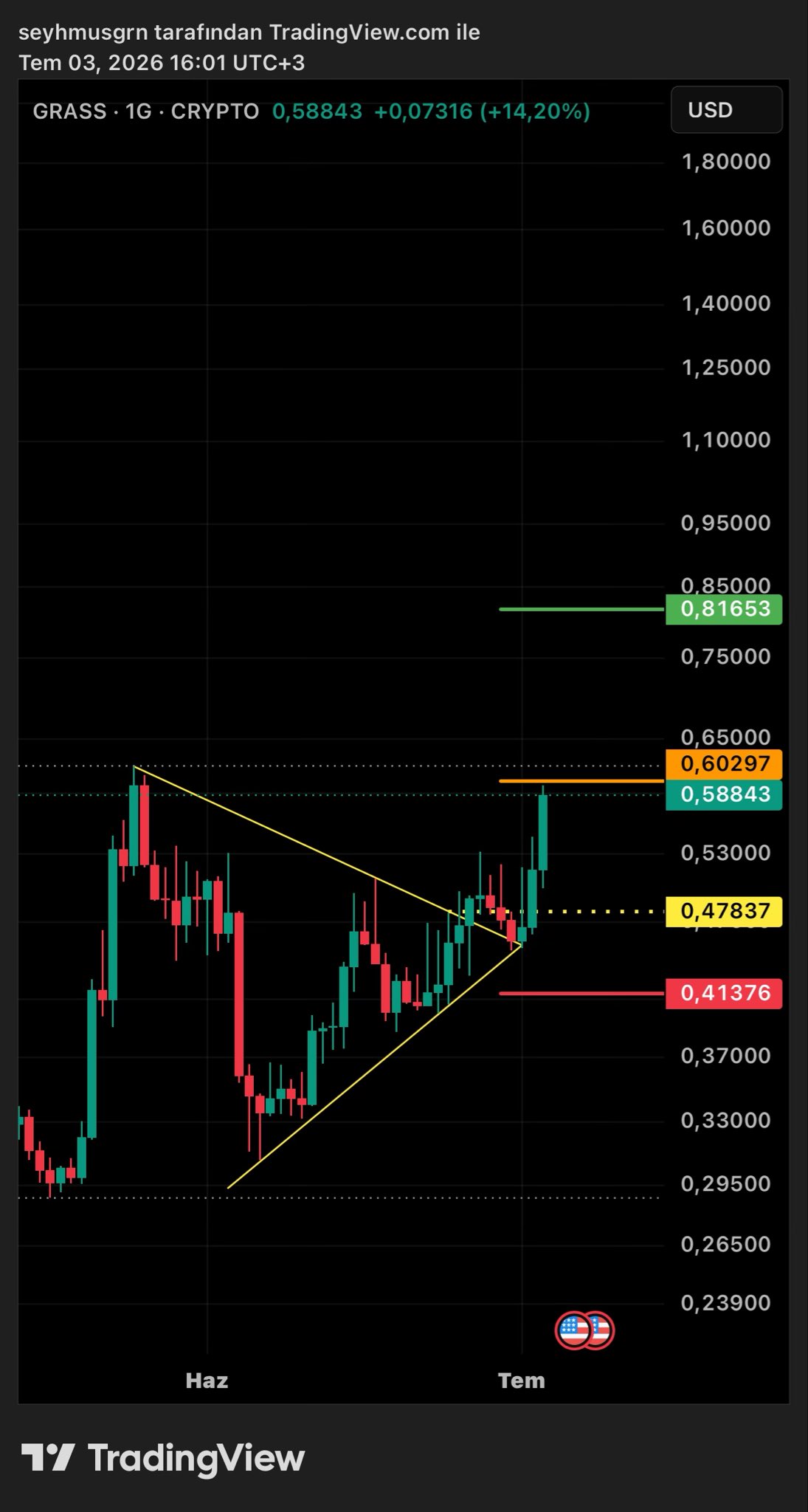
 51 1 8.80K Ler original >Tendência de GRASS após o lançamentoAltista
 PABLO 🔺 Influencer NFT_Expert B78.42K @PabloXBT
 Valle D89.07K @cryptovalle0
 69 13 12.98K Ler original >Tendência de GRASS após o lançamentoExtremamente Bearish