According to on-chain data, the "revenue‑generating" and "money‑making" sectors and projects;
As you know, the most important thing in this period is that a project makes money.
1- Decentralized exchanges and order routing
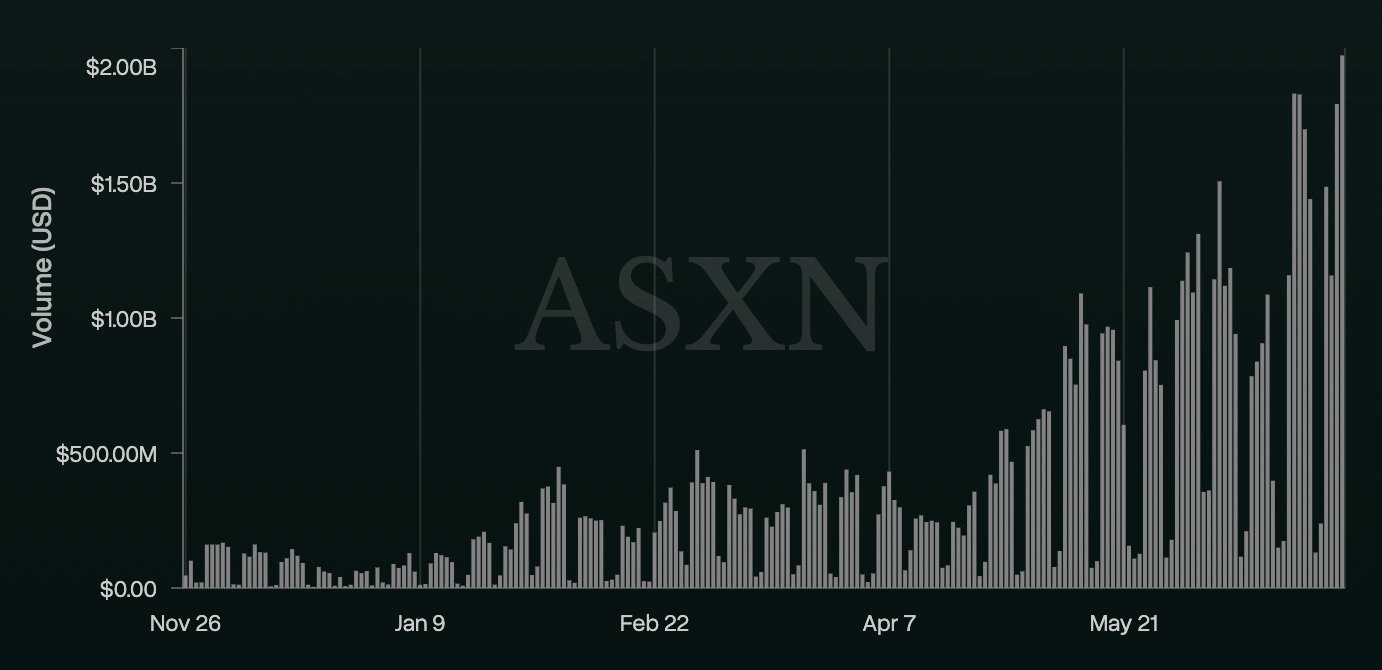
As you know, futures trading, which is the main driver of volume and real revenue, has been ongoing for the past 2–3 years.
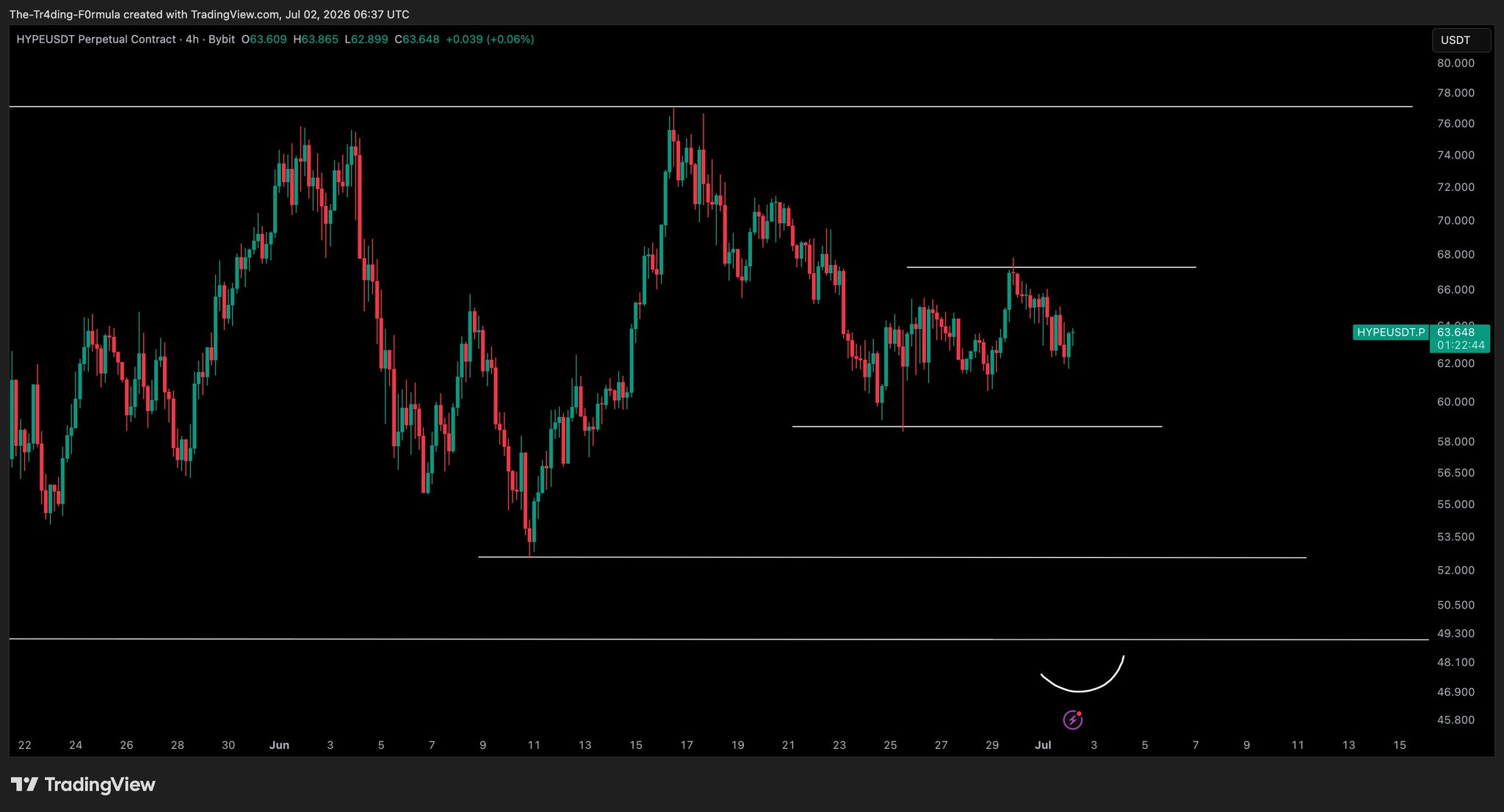
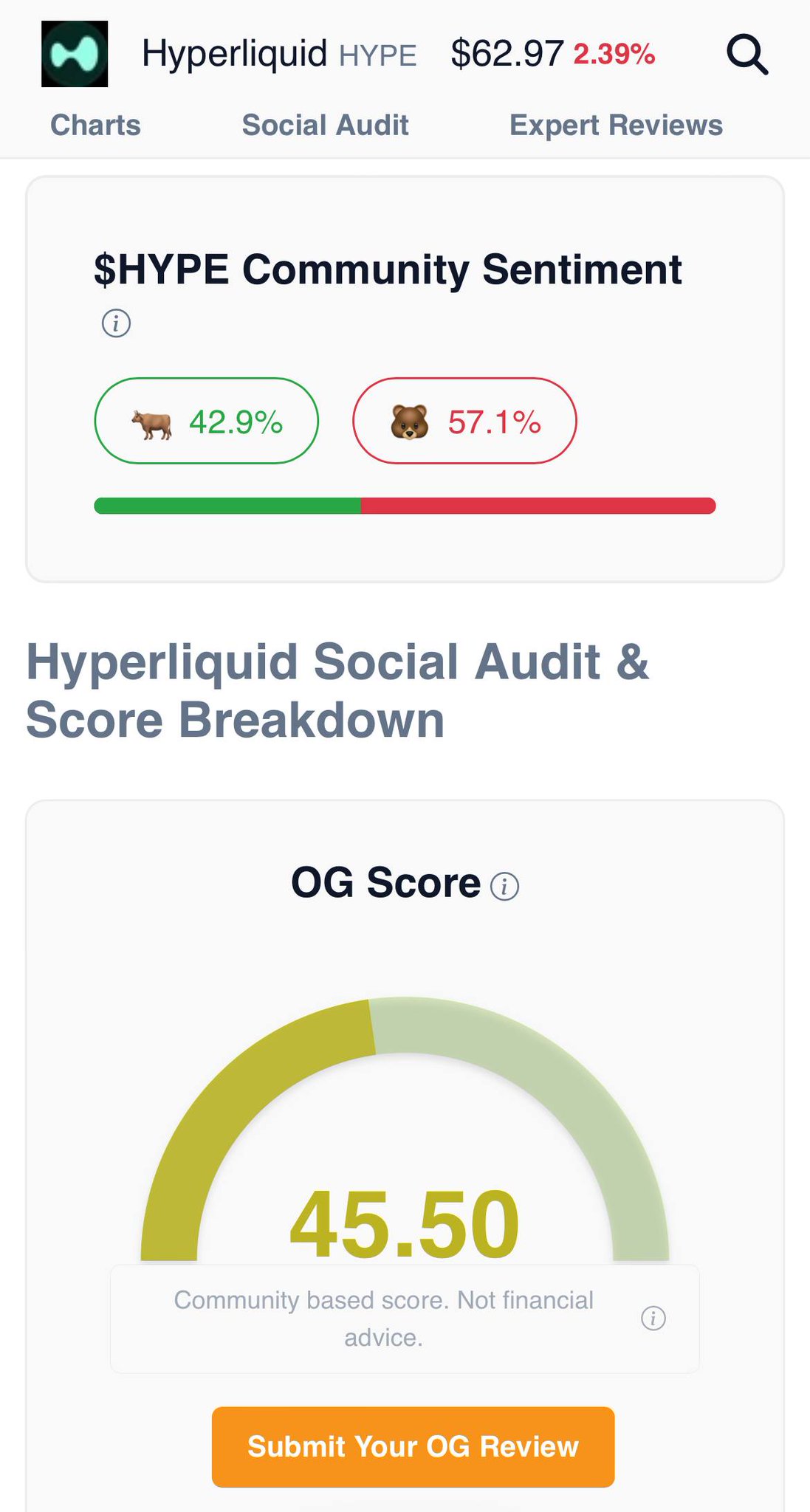
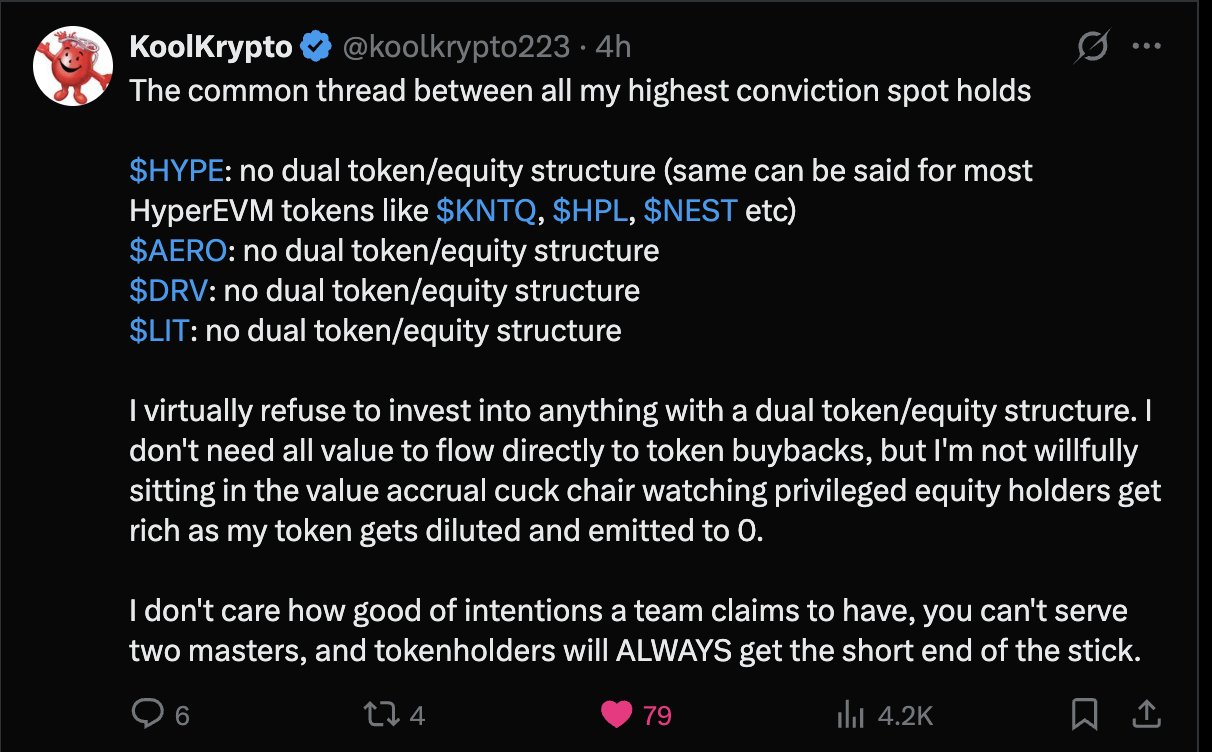
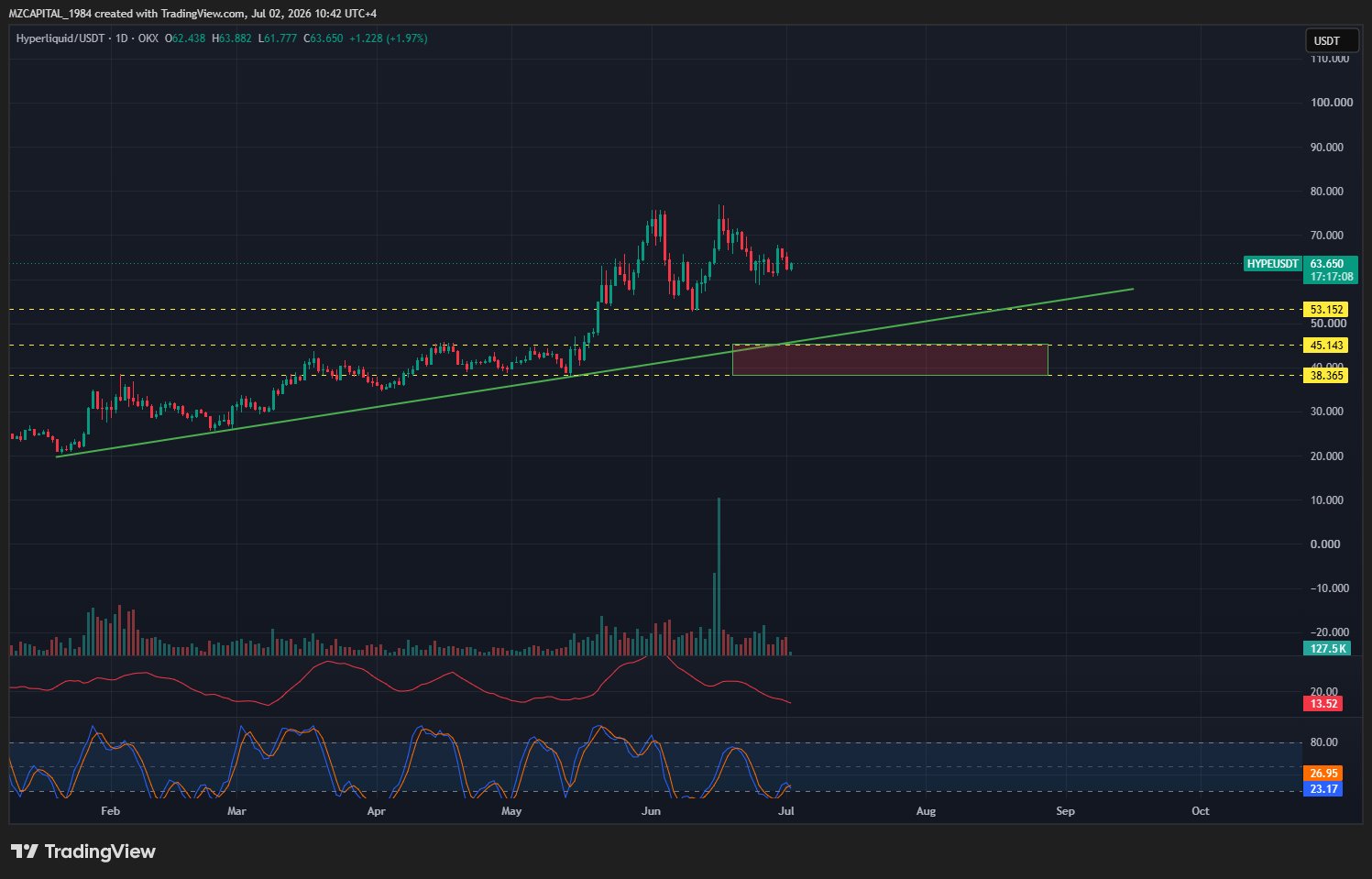
In this sector there is a $HYPE giant that operates its own order book, routing and execution on the network. Because it does everything itself, expense items remain low.
$DRIFT and $JUP dominate Solana liquidity. We know that transaction fees here are distributed to network users and stakers. DRIFT was hacked recently, but if they can recover or at least re‑brand themselves, the situation could change; otherwise it may become trash over time.
2- Capital efficiency, borrowing instruments
As you know, the cash waiting idle in the system and market is not left unused. The two most important actors here are $AAVE and $MORPHO, which can be thought of as the central banks of the crypto ecosystem.
They have overlapping activities as well as distinct ones. While AAVE dominates overall market liquidity as a provider, MORPHO maximizes capital efficiency by developing autonomous borrowing pools. This was such a novel development that I was excited about MORPHO months ago. They achieved this by leveraging the BASE network – a very good job.
If institutional capital is to be collateralized in the future, the system will do it through these two projects (provided they survive).
3- Synthetic dollar and yield‑splitting systems
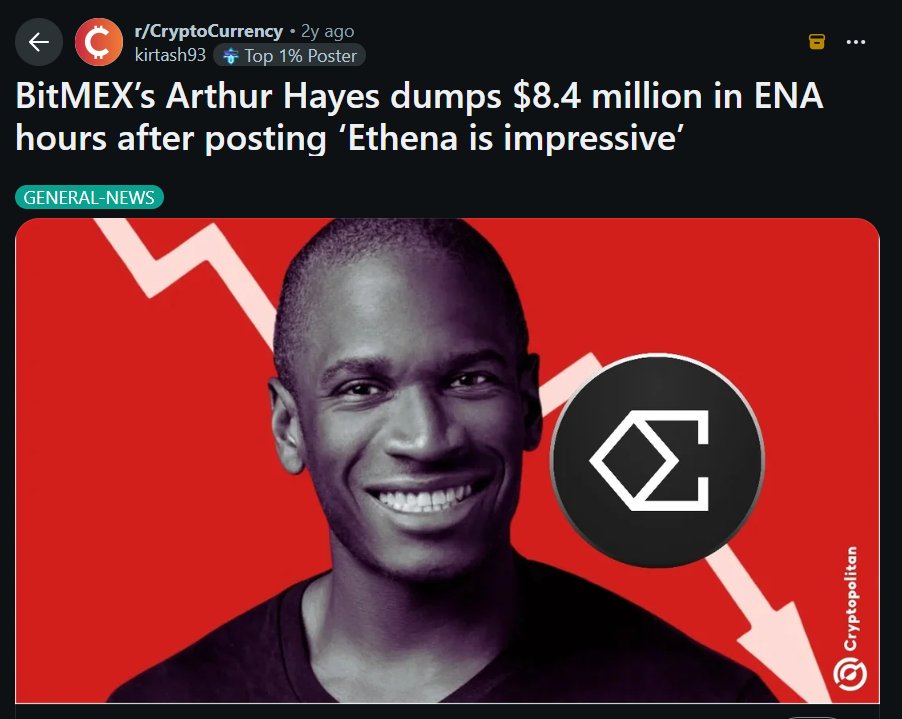
Real yield, as you know, comes from systems that minimize risk and maximize profit, even when taking a trade we pay attention to this. Even though I don’t necessarily like or prefer it, Ethena ($ENA) currently provides a substantial stable‑coin inflow on paper via its futures‑side funding rates (I’m not recommending it because I was responsible for the October 10 event). On paper everything looks good for this project, but by crypto’s nature it isn’t sustainable.
What interests me more is $PENDLE, a protocol that can separate on‑chain returns into principal and interest. These two separated pools create a hedge area for institutional capital against inflation.
Other projects that do this work will also generate business. So it’s not just PENDLE; any A, B, C projects that can develop the same model will do work, similar to the model that followed AAVE.
4- Infrastructure and RWA
There are several dinosaur projects that form the backbone of cash flow, friends. Leading among them are $SKY, $LDO, $UNI.
LDO captures fees from the security layer of the ETH network, while SKY (the old MKR) aims to pull cash from the external market worth trillions of dollars by holding bonds on‑chain. UNI is already the father of decentralized exchanges (spot‑meme‑shit) and plans to increase and distribute revenue with new updates.
In the RWA space, the $ONDO project has utilized/uses its revolutionary potential. It is an institutional bridge that transfers treasury bond yields directly on‑chain, a project at the peak of capital efficiency.
In the area of special loans we have $CFG. It tokenizes real‑estate or institutional transactions and issues loans via DeFi. It is a protocol especially used by large projects to earn extra revenue. I mentioned this project a long time ago and have taken profit on the majority I held.
On the infrastructure side, $LINK sits at the foundation of all these businesses, just as it does for everything else. When we talk about cross‑chain banking – price oracles, transfer infrastructure, etc. – LINK’s signature is present. Does this project have equivalents? Of course. PYTH, API3 and the like exist, but none are as large as LINK yet.
The projects I mentioned have already established themselves in the market, though there are certainly newer or rapidly growing projects that might be better. We know, when discussing MORPHO only about 15–20 people were aware of it and its market cap was only 50‑60% of today’s. There’s also the experimental $WELL, which has only the path of disappearing or becoming legendary. That’s why I focused on the more established, proven projects.
 Hyperliquid (HYPE)
 Specter OnChain_Analyst Security_Expert S13.71K @SpecterAnalyst
 22 5 1.82K Оригинал >Тренд HYPE после выпускаЧрезвычайно медвежий