🏦 Wall Street is not waiting for crypto: it is already using its infrastructure.
While much of the market remains focused on whether Bitcoin breaks key technical levels, a deeper narrative is gaining traction: Wall Street is beginning to move traditional assets onto blockchain infrastructure.
It is not about crypto replacing the stock market. Rather, exchanges, brokers, and institutional managers are incorporating on-chain rails to make existing products more efficient.
What is happening?
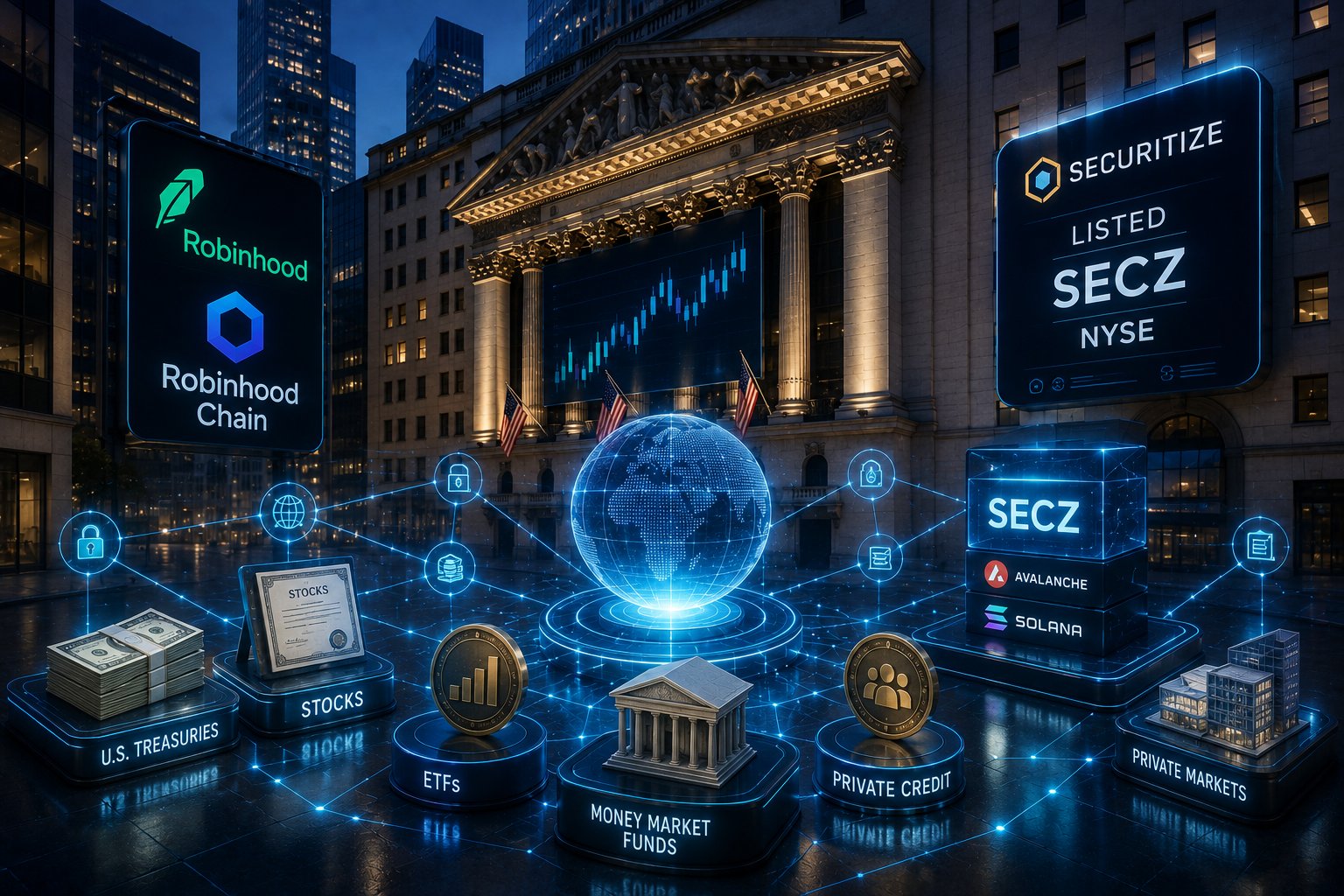
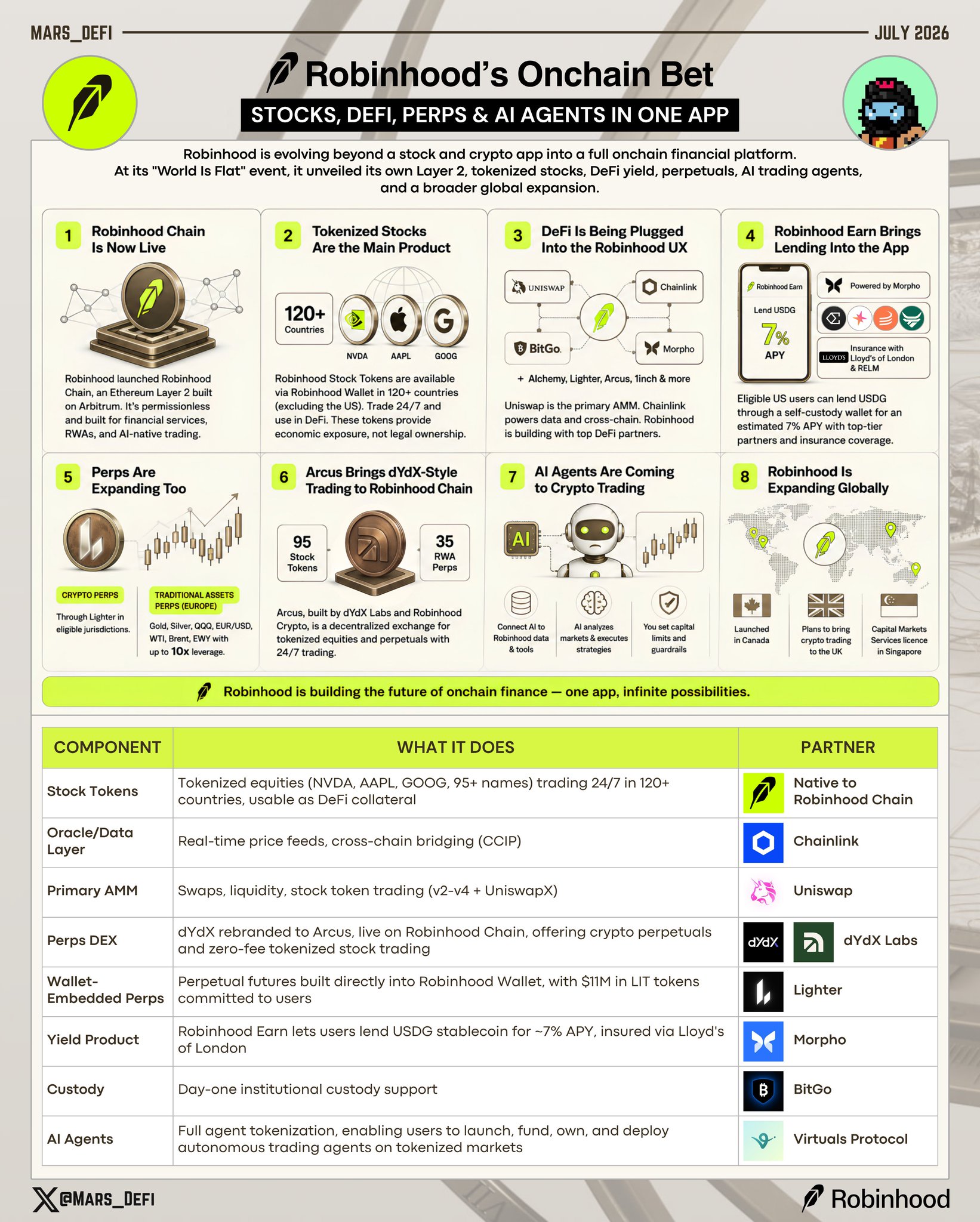
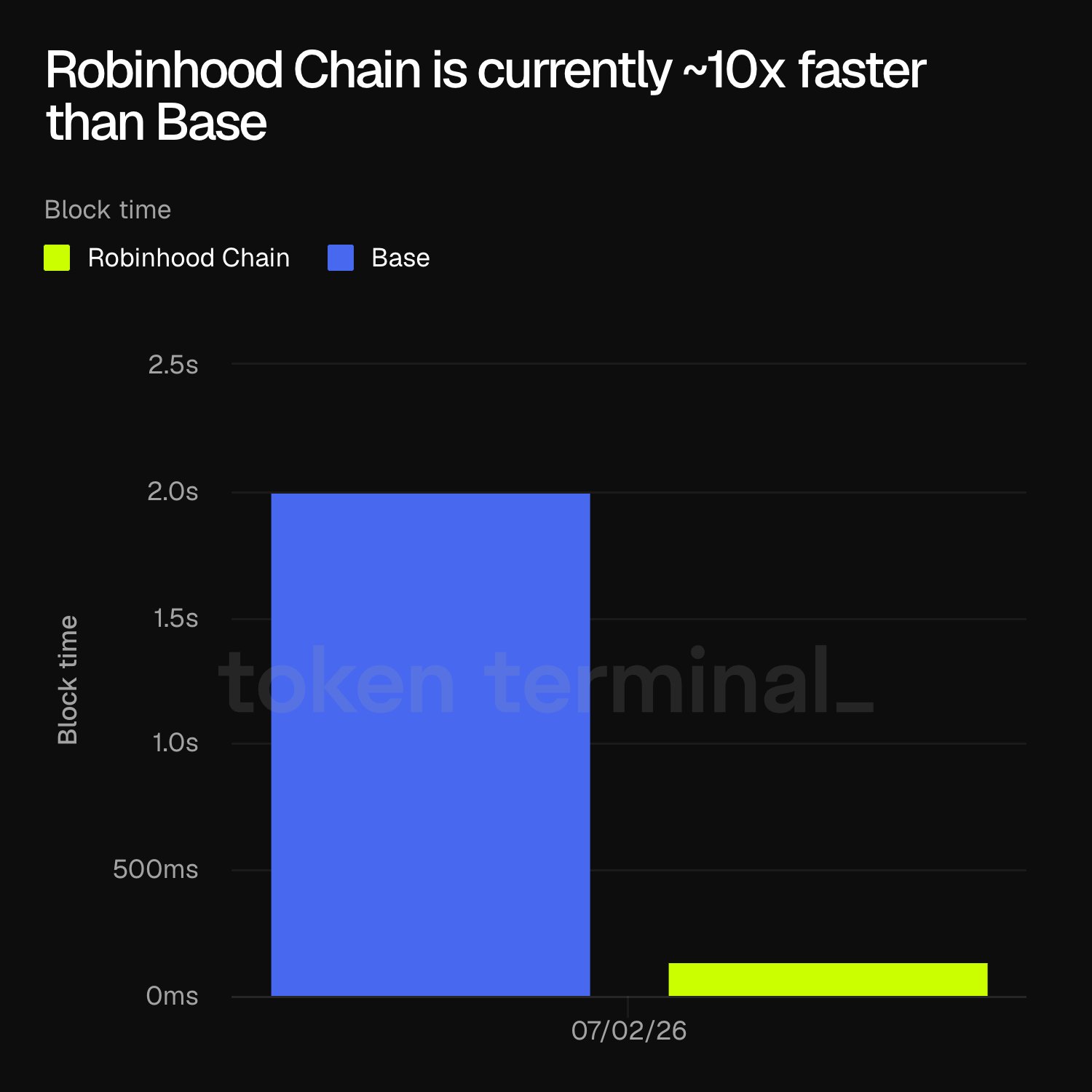
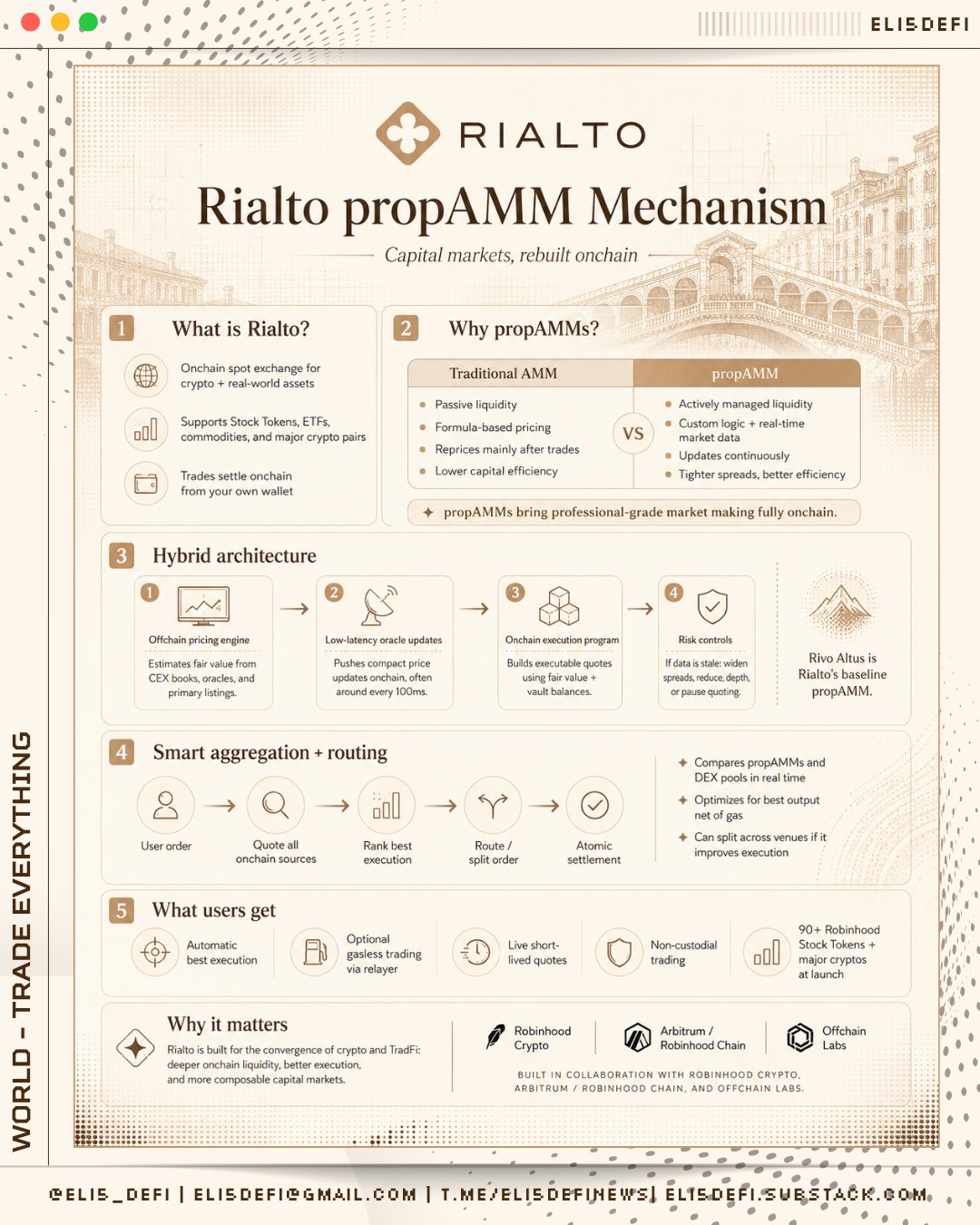
In recent weeks several notable developments have emerged. Robinhood launched Robinhood Chain, a Layer 2 blockchain built with Arbitrum technology and designed for financial services, tokenized assets, and DeFi applications. The company also introduced stock tokens for eligible users outside certain jurisdictions, offering 24/7 trading access and potential integrations with on-chain protocols.
Securitize, for its part, made its debut on the New York Stock Exchange under the ticker SECZ and tokenized part of its own shares on Avalanche and Solana from day one as a public company. The firm aims to demonstrate that tokenized shares can be issued with backing from the issuer itself and under regulated infrastructure.
Key details
• Robinhood launched a blockchain focused on financial services and RWAs.
• Its stock tokens aim to enable exposure to equities via on-chain infrastructure.
• Securitize debuted on the NYSE and took SECZ onto the Avalanche and Solana blockchains.
• Large institutions such as BlackRock, Apollo, VanEck, KKR and BNY are already working with tokenization infrastructure.
• The narrative around RWAs is shifting from pilot experiments to institutional products.
Context
For years, mass adoption of crypto was imagined as a wave of users buying Bitcoin, Ethereum, or memecoins.
However, the largest adoption may be far less visible to the end user: tokenized stocks, ETFs, Treasury bonds, private debt, money market funds, and private markets operating on blockchain.
Tokenization promises faster settlement, 24/7 availability, greater programmability, and new ways to use traditional assets within digital financial applications. The key point is that users don't need to “believe in crypto” to benefit; they only need the system to work better.
Wall Street is not adopting blockchain for ideology. It is doing so because it sees operational efficiency, cost reduction, new distribution models, and access to global markets.
The structural shift is not that traditional finance disappears. Rather, increasingly, traditional products could start moving onto infrastructure born from crypto.
@solana @ethereum
Important notice
This analysis presents a view on the evolution of real‑asset tokenization and on‑chain financial markets. It does not constitute an investment recommendation. The RWA sector continues to face regulatory, technical, legal, and liquidity risks. Always conduct your own analysis before making decisions.
 Arbitrum (ARB)
 𝗵𝘂𝗻𝘁𝗲𝗿 Community_Lead Media B15.56K @BFreshHB
 Token Terminal 📊 D159.71K @tokenterminal
 11 4 780 Оригінал >Тенденція ARB після випускуБичачий
 Eli5DeFi DeFi_Expert OnChain_Analyst C46.25K @Eli5defi
 59 21 4.92K Оригінал >Тенденція ARB після випускуБичачий
 degentrading Derivatives_Expert Trader C65.96K @degentradingLSD
 Ryan De Souza D1.80K @_ryandesouza11 0 8.90K Оригінал >Тенденція ARB після випускуБичачий